Module 9A: Sport Films
Instructional Goals:
- Analyze the cultural impact of sport films.
- Compare and contrast sport films with comedic sport films.
- Evaluate sport films as a distinct genre.
- Explore narrative similarities and themes of sport films.
- Identify the role of sport films in popular culture.
Sport films have long captivated audiences by blending the excitement of athletic competition with compelling human drama. These films resonate deeply with audiences because they often reflect universal themes of perseverance, teamwork, and the pursuit of excellence. The study of sport films as a genre is controversial in academic circles. Some scholars consider it to be its own genre with its own blend of archetypes and styles, while others argue that sport films are actually just a topic that appears within other well established genres. For this class, I include a module about sport films as they tend to be popular with a lot of students, and their economic success and cultural impact cannot be denied. There’s a reason phrases like “Show me the money” and “If you build it, they will come,” are built into popular culture, thus we spend some time in this module exploring sport films.
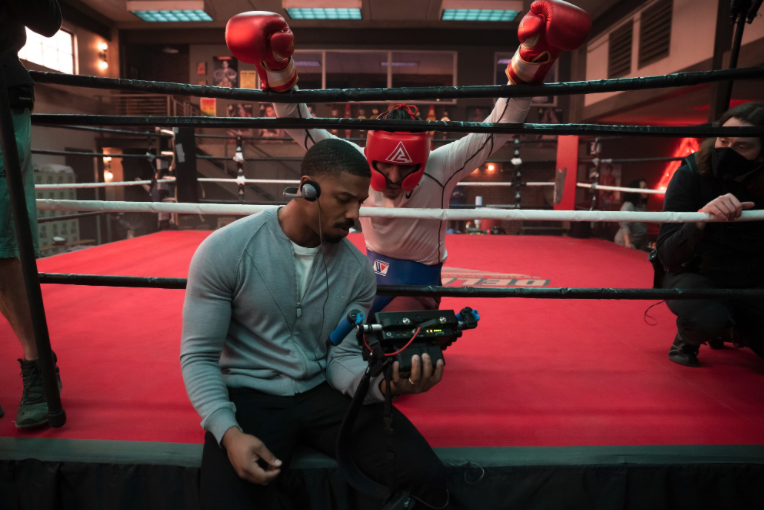
One of the most influential sports films is Rocky (1976). Directed by John G. Avildsen and starring Sylvester Stallone, who also wrote the screenplay, it tells the fictional story of Rocky Balboa, an underdog boxer who gets a shot at the world heavyweight championship. The film's success lies in its portrayal of grit and determination, showing that the journey is often more important than the destination. Rocky's relentless training and his refusal to give up, even when the odds are against him, make the film a powerful study in resilience and hope. The film became an instant classic and spawned a franchise of six films and even a spin-off with the Creed films that followed.
2004’s Million Dollar Baby took a similar look at an inspirational boxing tale, this time focusing on a female boxer Maggie Fitzgerald (Hillary Swank) with aspirations of becoming a formidable fighter. Directed by Clint Eastwood, the film explores similar gritty themes of ambition and sacrifice, only with a much darker tone and more tragic ending than entries from the Rocky franchise.
Another popular sport film that explores the power of belief is Rudy (1993), based on the true story of Rudy Ruettiger, a young man determined to play football at the University of Notre Dame despite his small stature and lack of natural talent. Rudy is an underdog story that emphasizes the importance of hard work, determination, and the unwavering belief in oneself. Rudy's journey to fulfill his dream is a testament to the idea that success is not just measured by victory, but by the effort put forth to achieve it.
Not all sports stories are inspirational. I, Tonya (2017) tells the story of Tonya Harding (portrayed by Margot Robbie), a figure skater whose Olympic ambitions led to the assault on skater Nancy Kerrigan, and the scandal that made Harding an infamous household name.
These films can explore a variety of sports. Days of Thunder (1990) starring Tom Cruise is an adrenaline-packed, fictional take on NASCAR, exploring the thrill of racing and intense rivalries between drivers. The Karate Kid (1984) is a classic film that tells a fictional tale of a teenage boy whose desire to defend himself from bullies leads him into the competitive world of competitive martial arts.
Complementing the genre are also sport comedies. These films often take over-the-top, slapstick views at the conventions of serious sport films. Dodgeball: A True Underdog Story (2004), Blades of Glory (2007), and Happy Gilmore (1996) each focus on different sports, however they take a nonsensical approach at more dramatic sports films, creating funny, memorable characters who must persevere through difficult circumstances to overcome difficult obstacles.
So while these films delve into the world of various sports, they are often ways to engage audiences with more expanded stories of determination, overcoming adversity, and both mental and physical growth.
For part A of this week's module, you will need to complete the following:
1) First, view this week's video lecture about sports in cinema.
2) Next, you'll want to read the downloadable PDF chapter from "The Oxford Handbook of Sport and Society." Author Sean Crosson discusses a variety of aspects of cinema depictions of sports in "Sport, Film, and the Cultural Imaginary." Use the PDF to answer the homework questions for this module.
Once you have reviewed these materials and completed these tasks, you're set through Wednesday! Check back for part B of this week's content after midnight Wednesday morning. If you have any problems accessing or using any of this week's content, please email me immediately so that we can get things working for you.